Showing posts with label Weed Management. Show all posts

Orchard Outlook Newsletter Vol. 24, No 2

Tuesday, April 23, 2024


Today's newsletter focuses on early season disease management including the season's first apple scab infection event and considerations for fire blight sanitation. We review horticulture practices including notching for blind wood, reminders for planting, and resources on planning windbreaks. Thanks to the ongoing commitment of the Orchard Outlook Committee members.


Table of Contents:


Weather
  • 2024 Degree Day Accumulations
  • Cumulative Precipitation
  • Apple Buds
  • Pear and Stone Fruit Buds
  • Apple - Scab
  • Fire Blight Sanitation
  • European Red Mite

Weed Management

  • Pre-emergence Residual Herbicides
  • Post-emergence Herbicides
  • Notching for Blind Wood
  • Pruning
  • Fertilizing
  • Liming
  • On-farm Nursery
  • Land Preparation
  • Windbreaks

Events and Notices

  • Resilient Agriculture Landscape Program

Online Pest Management Guide


Weather


2024 Degree Day Accumulations

Over the last week there have been slow gains in degree days. The degree day accumulations beginning on March 1 are still slightly ahead of the 5- and 10-year averages (Figure 1).
Figure 1: Heating degree day accumulations for plant (above 5°C) and insect (above 10°C) development from March 1 to April 22 for the past 17 seasons. Provided by Jeff Franklin (AAFC).

For the following comparisons, please note that early in the season only a few warm events contribute significantly to the accumulated degree days.
  • Approximately 9% more plant development heat units compared to the 5-year average, and 25% more compared to the 10-year average.
  • Approximately 26% more plant development heat units compared to 2023, and 2% less compared with 2022.
  • Approximately 3% less insect development heat units compared to the 5-year average, and 9% more compared to the 10-year average.

Cumulative Precipitation

Figure 2 is a graph of cumulative precipitation over the last five years including rainfall and the rainfall equivalent from snow. Rainfall contributed to most of this year's cumulative precipitation. Jeff Franklin shares that, "The cumulative precipitation plot shows that we are currently above the 10-year trend and that most of our precipitation has come in March and early April with some significant single day rainfall events. It also shows data from 2019, when we received our precipitation in smaller more frequent events. The data from 2019 shows that we had rain on 40 days in the months of April and May!"
Figure 2: Both rainfall and the rainfall equivalent from snow at the Kentville Research Station from 2019 to 2024. Provided by Jeff Franklin (AAFC).


Bud Development


Apple Buds

An early region on Middle Dyke Road in the Kentville area is monitored to guide this newsletter. Yesterday on April 22, the Idared buds were at quarter-inch green, Honeycrisp was at green tip and Ambrosia was at green tip (Figure 3). Orchard Outlook committee members report that apple varieties in Kentville and Falmouth also range from green tip to quarter-inch green. Growth appears to be 2-days ahead of last year.

Freezing temperatures as low as -5.5°C were recorded early this morning in apple growing areas. No direct injury to buds is expected. The potential for spring frost/freeze injury depends on the stage of development. The critical temperatures for bud injury in degrees Celsius can be accessed in this chart from Perennia for your reference.

Figure 3: Bud development in an early region on Middle Dyke Road in Kentville on April 22. Shown from left to right: Idared, Honeycrisp, Ambrosia.


Pear and Stone Fruit Buds

Yesterday on April 22 at an early region in Greenwich, the pear buds were at swollen bud, peach was at quarter-inch green, and European plum was at bud burst (Figure 4). Orchard Outlook committee members also report that pear in Kentville is at swollen bud. Sweet cherry in Kentville is at the swollen bud stage.

Figure 4: Bud development in an early region in Greenwich on April 22. Shown from left to right: pear, peach, and European plum.


Diseases


Apple – Scab

Table 1: Apple scab infection events in Kentville from April 16 to April 23, based on the Modified Mills Table. 
1 For a high inoculum orchard, a significant number of spores can be released during darkness, so begin calculating leaf wetting regardless of the time of day when the wetting event started. An orchard is considered to have a high inoculum load if last season it had 100 or more scabby leaves observed over 600 shoots.
2 Assuming a green tip date of Saturday, April 15th. Please use this as a guide because microclimates will cause conditions to vary on individual farms.
Note: The environmental conditions for an infection are listed in the Modified Mills Table.

The Avonport-Falmouth area received heavy rain on Sunday around 5 PM. The leaves were dry for a short period of time on Sunday until they were re-wetted and therefore the two wetting periods would be combined (Sat 18 hrs + Sun 18 hrs) to equal 36 hrs of leaf wetness. The affected areas would have observed a moderate infection event.

Recommendations:

  • Currently there is no rain in the forecast but do not let it lure you into a false sense of safety because precipitation forecasts can change quickly. There has been more tissue exposed and spores are maturing so orchards should receive regular fungicide protection. According to the forecast, ascospores are expected to mature at a rate of 0.5% per day and within the next five days about 4% ascospores are expected to mature and be available for release.
  • Apply a protectant fungicide to green tissue prior to an infection event and reapply on a 7-day interval, with a shorter interval after wet weather (cumulative 1-2” rain) or rapid tissue growth.
  • Early in the season, there is no need to control powdery mildew so products with activity on powdery mildew can be saved for application at half inch green.
  • Remember that Manzate (mancozeb) products may be applied 4 times/ha/year, the re-treatment interval is 7 days, the REI for hand thinning is 35 days (12 hrs for all other activities), and the PHI is now 77 days.
  • If you plan to use oil for European Red Mite control, Captan should be avoided within 7-14 days of an oil application.

Fire Blight Sanitation

The goal of copper application is to cover the bark with copper to reduce the population of bacteria on plant surfaces that arise from bacterial ooze around the pink stage. The copper treatment will reduce the initial inoculum and limit the spread of fire blight bacteria to blossoms or wounded tissue on the tree. This strategy is most effective in blocks that had fire blight cankers in the previous two seasons. 

Recommendations:

  • Please note that tissue injury could occur when copper is used alone or combined with oil when hard frosts/freezing temperatures occur, such as those temperatures currently forecast for the next few nights.
  • A copper application is recommended when buds are at the green tip stage. A fixed copper product such as Copper Spray Fungicide (50% copper oxychloride) is recommended because it is resistant to being washed off by rain. If applied later than green tip, residues that persist on fruitlets can cause russetting which is a concern for fresh fruit varieties. Processing varieties where russet is tolerable can be treated later as well as nonbearing trees.
  • Copper can be applied as a tank mix with 0.5% by volume (5 L in 1000 L) dormant oil to increase adherence. Apply in a high water volume to cover plant surfaces. Do not use dormant oil within 14 days of Captan or within 48 hours of freezing temperature. 
  • Cankers are visible now before they become hidden by this year's foliage. Scout for cankers now.
  • If in doubt, take it out! No cankers are helpful and they harbour diseases. If you need a second opinion, I can take a look. Cankers are especially risky in young orchards because they harbour the bacteria for new blossom infections that give bacteria rapid access to the leader of the tree. Consider completely removing young trees that have cankers.

Insects

***IMPORTANT NOTE: DORMANT OIL***
When green tissue is present, do not use dormant oil 48 hours before or after freezing temperature. Oil that is applied before freezing temperatures breaks down and adheres to the plant tissues unevenly instead of the target insects. Also if the oil and water mixture freezes before it dries then the green tissue can be injured. Please note that there is the risk of freezing temperatures in the forecast.

European Red Mite

A delayed dormant oil is effective at managing European red mite if monitoring indicates a treatable overwintering egg population. The oil is most effective when applied around egg hatch (typically around tight cluster and before pink) but if practical it may be applied earlier with less effective results. European red mite eggs overwinter in the cracks on buds and spurs so high water volume is needed to reach all of the crevices. The oil treatment is not effective for rust mite or two-spotted spider mite.

For varieties with Delicious parentage (Ambrosia, Gala, Delicious), early applications of oil prior to tight cluster are less likely to result in bark blistering. Oil should NOT be applied to young trees.


Weed Management

Studies have shown maintaining weed free strips from bud break to 30-days after full bloom has the greatest impact on tree growth and yield. Timely herbicide application will ensure you make the most of the weed free window.

Recommendations:

Pre-emergence Residual Herbicides
  • Most residual herbicides need about 1/2" of rainfall within 7 to 14 days of application to deliver product to the germination zone and to activate the chemical by putting it in solution. 
  • Note the differences in the application directions for Chateau and Alion and refer to the labels for more detailed information:
    • Chateau can be applied to young trees. Chateau should not be applied after budbreak unless application equipment is shielded to prevent crop injury. 
    • Alion can be applied only to mature orchards with trees established for 3 growing seasons. Alion can be applied anytime throughout the growing season.
    • Note that residual herbicides can damage single tree replacements. The Alion label says that individual plants within an orchard may be replanted by removing all treated soil from the transplant hole and refilling with soil that has not been treated.
    • If you are taking out orchard within the next 2-3 years for replanting, avoid applying residual herbicides. The Alion label says to allow at least 12 months from last application to replanting an orchard.
  • Chateau and Authority are good products but they do not have a lot of grass control so rotate with other products to avoid shifting toward more grass population. Chateau may be tank mixed with Prowl H2O to widen the weed spectrum for selective control of annual grasses and extend control.
  • When mixing residual herbicides, agitation is important to keep the product in solution. If the herbicide settles in the tank then it can be delivered in a high concentration and possibly result in crop injury.
  • If weeds are already present, add a post-emerge to a residual herbicide to achieve control. 


Post-Emergence Herbicides 
  • Treat early at the 3-6 leaf stage for optimum weed control. Young leaves have a less well-developed cuticle and absorb more. Crop damage is also minimized.
  • Post emergence herbicides are best applied on warm and sunny days. Glyphosate and 2,4-D require daytime highs of 10°C-15°C after a night above 3°C to have good activity.
  • Applying Ignite when leaves are wet is relatively ineffective.
  • In the USA, there are concerns about Ignite causing bark cracking. The specific risks are yet to be defined but just be cautious that Ignite is not sprayed onto or drifts onto young tree bark.
  • Venture takes about 3 weeks to kill labelled annual and perennial grasses. Growth ceases immediately but the death is slow. Don't use Ignite with Venture because Ignite will burn top growth before Venture kills it. If grasses become tall you may use Ignite to burn the grass down and then during grassy regrowth apply Venture to kill systemically. Wait at least 3 days after Venture before applying an herbicide for broadleaves.
  • Perennial weeds may be targeted in spring when new perennial plants are at the seedling stage. Other timings are spot sprays at the early flowering stage or during fall re-growth after a minor frost. Glyphosate and group 4 products are systemic and work on certain perennial plants.


Horticulture


Notching for Blind Wood

  • Notching and applying plant growth regulators (Promalin and MaxCel) is best done from green tip and up until bloom time. The ideal time is at the stage of half-inch green.
  • Please note that the success rate of inducing a branch depends on the age of the planting. Applying a mist of plant growth regulators to the notched area can increase the success rate, namely for older plantings of up to 7 years of age.
  • Notching is preferred over scoring. Scoring can oftentimes heal over and you lose the effect.
  • The plant growth regulators work in cooler temperatures but warm temperatures at the time of application increase the response. For more information, see an article by MSU Extension.
Figure 5: Notching trees above a paradormant bud removes the cambium and disrupts the flow of auxin. Doing so allows the buds to break dormancy.


Pruning

  • Plan ahead and watch re-entry intervals for pruning activities when fungicide programs begin. 
  • Ensure that youngest blocks are pruned first so growth is directed into desirable leader and terminal extension. Prioritize high value trees and then return to low value areas. Consider prioritizing pruning in fire blight blocks to finish prior to tight cluster when cankers begin oozing.
  • Pruning may be delayed for vigorous Ambrosia to reduce its vigour.
  • Mature blocks can be pruned later and are best when pruned prior to bloom.
  • A handout for farm workers 'The Fundamentals of Pruning' was published this year.

Fertilizing

  • Bud break to bloom is the ideal time for granular fertilizer application to maximize tree growth. 
  • If leaf and soil samples show that phosphorus and potassium are adequate there is no need to apply phosphorus and potash. Granular formulations with 0.3 boron are encouraged for sandy soils.
  • If Honeycrisp is on the rootstock G.41 then potassium additions are discouraged.
  • Target 10-16 inches of new growth each year. More growth is a sign of excessive nitrogen.

Liming

  • Lime soils prior to planting an orchard with rates according to your soil report. Early spring is an option but fall can be a more practical time to apply lime to a new site and lengthen the time for acidity to become neutralized.
  • Orchard maintenance with surface applied lime twill take a number of years to adjust pH of the soil profile so it is best to apply annually or biannually where needed. If soil testing for pH, measure during the same time each year (August) as pH can change over the growing season. 
  • The provincial limestone trucking assistance program is open.

On-Farm Nursery

  • Rootstocks that were chip or t-budded last year may have buds pushing. Cutting rootstock tops early can help to prevent the rootstock from overpowering the new buds. Rods may also be put into place early to avoid knocking off buds if done at a later timing.
  • Early application of granular fertilizer can minimize the risk of leaf burn. Otherwise, granules can get trapped and sit in new leaf tissue that is close to ground level. 

Land Preparation

  • Wet conditions are a great opportunity for marking wet spots in the field to repair tile drainage. 
  • Remember the importance of soil preparation. Remove old roots and work to get a good soil tilth without sods and clods especially in the top 15 cm of soil.
  • When trees are first planted they need a high level of soil phosphorus because roots are too poorly developed to forage for it. If phosphate is needed, diammonium phosphate (DAP) can be banded in furrow. There is no need to apply phosphorus if a soil test shows P2O5 to be high, such as on land with a history of manure application.

Windbreaks


Events and Notices

Resilient Agricultural Landscape Program

The Resilient Agricultural Landscape Program helps to improve the environmental resiliency of agricultural landscapes by accelerating the adoption of on-farm land use and management practices that maximize benefits for the environment and society. Buffers and shelterbelts are listed in the program guidelines for 100% of the establishment costs up to $1,500/acre for creating or widening buffers. The maximum assistance is on a case-by-case basis. For more details, visit the NSDA Program page.


Online Pest Management Guide

Beginning this year, all of the pest management guides are now available from an online tool. On the tool you will find guides for organic and conventional apples, pears, peaches/nectarines, plums, and sour/sweet cherries. You can search and filter the information and/or print. To help you navigate the guide, we have developed a brief tutorial video as well as a how to use guide.

The apple and pear guide have been fully reviewed. The stone fruit guides are currently under review. I will post the growth regulator guide soon. This year is a transition year as Perennia has migrated all of the information to a new format and this tool will continue to improve as we actively work on it. Please stay tuned.


This Orchard Outlook has been published with the input of the Orchard Outlook Committee including this week's participants: Larry Lutz, Jill MacDonald, Suzanne Blatt, Ian Willick, Danny Davison, Jeff Franklin, Dustin MacLean, Mathew Vankoughnett, Harrison Wright, and Shawkat Ali.

Edited by Michelle Cortens, Tree Fruit Specialist
Perennia Food and Agriculture Corp.


Orchard Outlook Newsletter Vol. 22, No 2

Tuesday, April 19, 2022

There it is! Green tissue is starting to show up in some regions. This newsletter focuses on bud development and early season disease management. We also revisit winter temperatures and bud injury. Thanks to the ongoing commitment of the Orchard Outlook Committee members.


Table of Contents:


Weather
  • Revisiting Winter Temperatures and Bud Injury
  • 2022 Degree Day Accumulations


  • Apple - Scab
  • Apple - Fire Blight Prevention

Weed Management

  • Pruning
  • Fertilizing
  • Liming
  • Planting and Nursery Trees

Pest Management Guides 2022

Events and Notices


Weather


Revisiting Winter Temperature and Bud Injury

In last week's newsletter I posted a table showing extreme cold temperatures at two specific points in time. In the meantime, I have put together a summary table of the recorded extreme winter low temperatures from all of the NSFGA Davis stations and the dates on which the temperatures were recorded (Figure 1). In all locations, temperatures dipped below -20°C at some point in time this past winter. In some locations, temperatures reached below -20°C several times between late January and early February (not shown). 

Figure 1: A summary of extreme winter low temperatures recorded on the NSFGA network of Davis weather stations.

Injury to peach buds from several regions was reported in the previous newsletter. Peach buds that have acquired their full winter hardiness become damaged at -23°C. Therefore, the critical temperature for peach injury was exceeded in most regions being monitored.

This past week I also observed some damage to cherry buds in a location that did not exceed the threshold temperature for cherry buds of -26°CCherry flower buds have multiple flowers within a single bud. The injury varied between buds and throughout flowers within buds (Figure 2 and 3)

This observation of injury to cherry buds is likely related to the tree's state of cold hardiness when the cold temperature occurred. Usually, full winter hardiness of tree fruit is reached in mid-February, so the cold temperature events in late January to early February are considered early. The injury occurred in cherries prior to the expected state of full winter hardiness to -26°C.

Figure 2: Cherry buds cut horizontally to show healthy green tissue or dead brown tissue indicative of winter injury.

Figure 3: Cherry buds cut vertically to show healthy green tissue or dead brown tissue indicative of winter injury.


2021 Degree Day Accumulations

The past week's accumulation of degree days was relatively seasonal. The cumulative degree day accumulations are tracking slightly above average. 

Figure 4: Heating degree day accumulations for plant (above 5°C) and insect (above 10°C) development from March 1st to April 18th for the past 17 seasons. Provided by Jeff Franklin (AAFC).
  • Approximately 36% more plant development heat units compared to the 5-year average, and 26% more compared to the 10-year average.
  • Approximately 19% less plant development heat units compared to 2021, and 92% more compared with 2020.
  • Approximately 21% more insect development heat units compared to the 5-year average, and 8% less compared to the 10-year average.


Bud Development

An early region on Middle Dyke Road in the Kentville area is monitored to guide this newsletter. Yesterday on April 18th, the Idared buds were at green tip, Honeycrisp was at scale separation, and in Ambrosia a small percentage were beginning scale separation but most were still at silver tip (Figure 5).

Figure 5: Bud development in an early region on Middle Dyke Road in Kentville on April 18th. Shown from left to right: Idared, Honeycrisp, Ambrosia.

Orchard Outlook committee members reported green tip in the Windsor area on Idared, Russet, and Gravenstein. Also, in the Lakeville area there is green tip on Gravenstein. 


Diseases

Apple – Scab

Beginning at green tip, apple tissues are susceptible to infection from the fungus that causes apple scab, Venturia inaequalis. The environmental conditions for an infection are listed in the Modified Mills Table.

Ongoing precipitation started late morning today in Kentville and is forecast to end overnight. 
  • Whether this is an infection event relevant to you depends on the presence of green tissue on your individual farms.
  • At the forecast average temperature of 7.5°C, it would take 17 hours of leaf wetness for a light infection event to be caused by mature ascospores. Leaf wetness from late morning today to late morning tomorrow makes a light infection event possible.
  • According to the Gadoury model and using Kentville temperatures, ascospores have matured to 1.1% of the seasonal load.
  • Rain, at times heavy, could bring totals of 20 to 30 mm.

Recommendations:

  • The current 7-day forecast with dry and sunny days should hopefully be conducive to getting protection on before the next infection event when green tissue will be more widespread. Apply a protectant fungicide to green tissue prior to infection events and reapply on a 7-day interval, with a shorter interval after wet weather (cumulative 1-2” rain) or rapid tissue growth.
  • Vigilant protection of primary scab will prevent the challenges that come with chasing secondary scab. Secondary scab will be increasingly challenging with product discontinuations.
  • Always tank mix single site fungicides with a group M for resistance management.
  • Early in the season, there is no need to control powdery mildew so products with activity on powdery mildew can be saved for application at half inch green.
  • If you plan to use oil for European Red Mite control, Captan should be avoided within 7-14 days of an oil application.
  • Remember that Maestro 80 WSP has re-entry periods that differ depending on the orchard density and activity (anywhere from 2-24 days).

Apple – Fire Blight Prevention

The goal of copper application is to cover the bark with copper to reduce the population of bacteria on plant surfaces that arise from bacterial ooze around the pink stage. The copper treatment will reduce the initial inoculum and limit the spread of fire blight bacteria to blossoms or wounded tissue on the tree. This strategy is most effective in blocks that had fire blight cankers in the previous two seasons.

Recommendations:

  • If possible, apply copper to the entire orchard block including non-susceptible varieties because they can serve as reservoirs of randomly dispersed bacteria. However, if limited by time, prioritize high risk blocks.
  • A copper application is recommended when buds have reached green tip. A fixed copper product such as Copper Spray Fungicide (50% copper oxychloride) is recommended because it is resistant to being washed off by rain. Cumulative rainfall of 100 mm will wash away most of the product, which is why it is applied no earlier than green tip. If applied later than green tip, residues that persist on fruitlets can cause russetting.
  • Copper can be applied as a tank mix with 0.5% by volume (5 L in 1000 L) dormant oil to increase adherence. Apply in a high water volume to cover plant surfaces. Do not use dormant oil within 14 days of Captan or within 48 hours of freezing temperature. A half rate of an EBDC can be included as extra protection for apple scab.


Weed Management

Studies have shown maintaining weed free strips from bud break to 30-days after full bloom has the greatest impact on tree growth and yield. Timely herbicide application will ensure you make the most of the weed free window. 

Recommendations:

  • Residual herbicides such as Chateau, Alion and others offer a much longer weed control period than post-emergent products including Ignite, Gramoxone, and Glyphosate. Note the differences in the application directions for Chateau and Alion and refer to the labels for more detailed information:
    • Chateau can be applied to young trees. Chateau should not be applied after budbreak unless application equipment is shielded to prevent crop injury. 
    • On the other hand, Alion can be applied only to mature orchards with trees established for 3 growing seasons. Alion can be applied anytime throughout the growing season.
  • Note that residual herbicides can damage single tree replacements. 
  • When mixing residual herbicides, agitation is important to keep the product in solution. If the herbicide settles in the tank then it can be delivered in a high concentration and possibly result in crop injury.
  • If weeds are already present, add a post-emerge to a residual herbicide to achieve control. Also, some residual herbicides need rainfall for activation so it is a good idea to tank mix with a herbicide that works immediately without rainfall.
  • Unfortunately, this year there are widespread shortages of herbicides, in particular glyphosate and glufosinate. Reduce the reliance on post-emerge products by starting clean with residual herbicides.  Treat emerged weeds when they are small and succulent.


Horticulture


Pruning

  • If pruning is delayed, plan a strategy to get the most value for your time. Prioritize young blocks and high value varieties and then return to low value areas.
  • Ensure that youngest blocks are pruned first so growth is directed into desirable leader and terminal extension. Prune early to encourage vigour or delay pruning to remove vigour.
  • Mature blocks can be pruned later and are best when pruned prior to bloom.

Fertilizing

  • Bud break to bloom is the ideal time for granular fertilizer application to maximize tree growth.

Liming

  • Lime especially if a site is being planted this year. When applied in spring the lime works best when applied as soon as possible to get the product working in the top layer of soil. 
  • Surface applied lime will take a number of years to adjust pH of the soil profile so it is best to apply annually or biannually where needed. If soil testing for pH, measure during the same time each year as pH can change over the growing season. 
  • The provincial limestone trucking assistance program is open.

Planting & Nursery Trees

  • If fumigating in the spring, remember the importance of soil preparation to get the most out of the fumigant. Remove old roots and work to get a good soil tilth without sods and clods.
  • If growing your own trees, criticize their quality and don't plan to plant 100% of the trees. Planting small (<4 ft), weak trees will delay production. Trees are typically small for a reason and will continue to be weak trees. Commercial nurseries grade their trees and build in the cost of discarded trees so the same approach is recommended for on-farm nurseries. Tree losses of at least 10% are common.


Pest Management Guides 2022

All changes new to 2022 are made in red text directly on the guides. The information on all changes was summarized in a blog post on April 8th.
As we look to the future, we really want your feedback on how you access the guides, as well as some things we are considering when sharing the information to make it easier for you to use. If you can please take 2 minutes to complete this short survey for us that would be very helpful and much appreciated.


Events and Notices

For upcoming events, visit the ‘Events’ tab on the NS Tree Fruit Blog. Specific events will be described here when available.


This Orchard Outlook has been published with the input of the Orchard Outlook Committee including this week's participants: Dr. Suzanne Blatt, Dr. Bob Prange, Jeff Wentzell, Colin Hirtle, Joan Hebb, Danny Davison, Dr. Shawkat Ali, Dustin McLean, Jeff Franklin, Dr. Vicky Levesque, and Dr. Mathew Vankoughnett.

Perennia Food and Agriculture Inc.
Edited by Michelle Cortens, Tree Fruit Specialist

Podcast E1 S3: Creepy weeds: Guest Dr. Lynn Sosnoskie

Wednesday, November 3, 2021


Welcome to the start of season 3 of the Orchard Outlook podcast! On today’s episode we’re germinating a wealth of information about troublesome weeds. Perennial weeds in particular are like the unwanted gift that keeps on giving, as their underground root systems proliferate. Today’s guest Dr. Lynn Sosnoskie helps us creep into weed biology to understand how to manage these prolific plants.

Dr. Lynn Sosnoskie is an assistant professor in the School of Integrative Plant Science Horticulture at Cornell AgriTech. Her extension and research focus is on weed biology and management in specialty crops. She takes on understanding the life cycles of really pesky weeds!

Show notes:

Listen on any podcast streaming service or online at Anchor.
Listen to episode "E1 S3: Creepy weeds: Guest Dr. Lynn Sosnoskie"


Orchard Outlook: Special Issue - Fall Weed Control for Winter Annuals and Pesky Perennials

Friday, October 15, 2021

It seems counterintuitive to apply an herbicide in the fall when everything seems to be shutting down. But even though the summer annuals are petering out, not all weeds are shutting down. In fact, for winter annuals the fall is prime germination time. And perennials? They’re susceptible to treatment because they’re actively storing reserves in their roots. Knowing the weed life cycle can be helpful for managing troublesome weeds.


Winter Annuals in Our Orchards

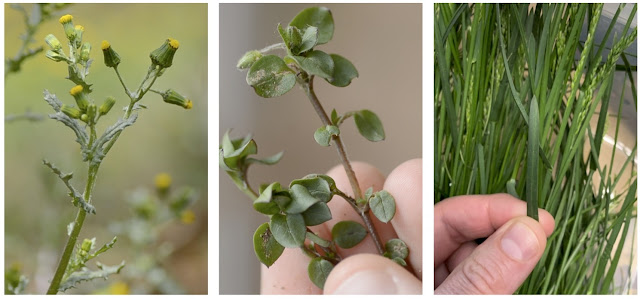
The life cycle of winter annual weed species is that they germinate in the fall, overwinter, and then produce seeds in spring or early summer. Winter annuals typical in Nova Scotia orchards include common groundsel, common chickweed, bluegrass, daisy fleabane, Pennsylvania bittercress, scentless chamomile, shepherd’s purse, henbit, and deadnettle (Figure 1). In the early days of spring, these winter annuals are the first you’ll see because they restart growth when the weather warms up. By the time weed management fits into your schedule, these weeds can be too large and are therefore past their treatable stage.


Figure 1: Winter annuals typical in Nova Scotia orchards from left to right: common groundsel, common chickweed, and bluegrass.


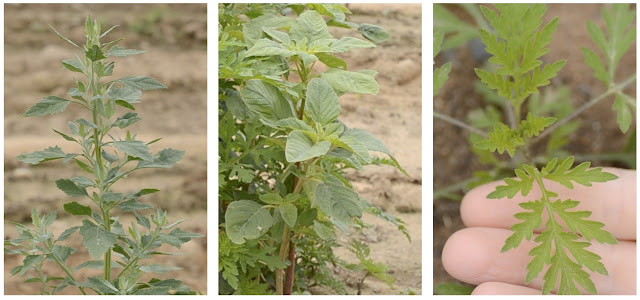
For comparison, note that the summer annuals typical in Nova Scotia orchards are lamb’s-quarters, common groundsel, wild carrot, red root pigweed, barnyardgrass, common chickweed, smooth crabgrass, wild buckwheat, witchgrass, wild radish, bluegrass, prostrate knotweed, foxtail, common ragweed, daisy fleabane, and spotted lady’s thumb (Figure 2). The summer annuals are at treatable stages for relatively longer than winter annuals in spring.

Figure 2: Summer annuals typical in Nova Scotia orchards from left to right: lamb's-quarters, red root pigweed, and common ragweed.


Management Strategies in Relation to Weed Biology

I recently listened to a podcast episode of ‘Out Standing in the Field’ that was co-hosted by my colleagues Caitlin Congdon and Sonny Murray with guest Mike Cowbrough. The focus was on weed management in winter wheat but aspects of the conversation are relevant to our tree fruit crops. Similar to winter wheat, our perennial crops can run into issues with pressure from winter annuals.

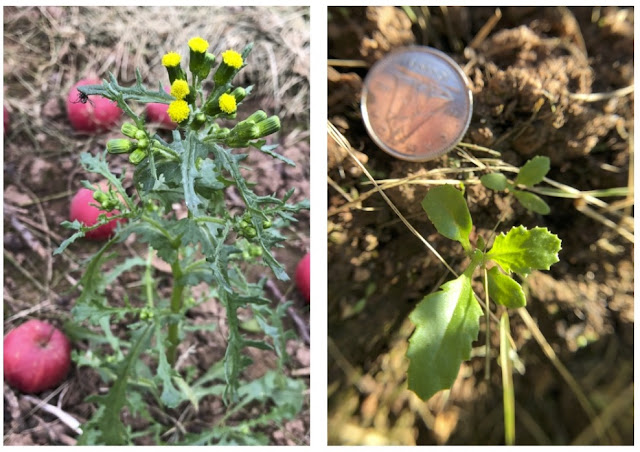
In the podcast, Mike emphasized how knowing aspects of weed biology can help with management decisions. Some weeds are summer and winter annuals so depending on when the seeds germinate, management might need to target both populations that germinate in fall and spring (Figure 3). Taking scentless chamomile as an example, they found that neither fall nor spring treatment alone was sufficient for control in cereals. He also mentioned the importance of fall management for the winter annual purple deadnettle, as opposed to spring management.

Figure 3: Photos of common groundsel taken on September 17, 2021 at the flowering stage (left) of a summer annual and a newly germinated winter annual (right).

For bluegrasses, knowing the type of species whether annual, Kentucky, or roughstalk is helpful for herbicide selection. But identification is tricky, so molecular analysis is preferred for a cost of about $20. Contact me for more information if you have concerns about bluegrass or need help identifying grassy species.

Bluegrass species that are winter annuals germinate in the fall and can grow quickly in the spring. The trouble is that post-emerge products work best at the 2-4 leaf stage, which could happen as early as May and would make spring bluegrass management a challenge in busy orchards. Also, bluegrass species have been difficult to treat post-emerge in young orchards in particular because options are limited. The seemingly recent occurrence of bluegrass issues could be a result of losing the post-emerge product gramoxone. Also, glyphosate is not very effective on bluegrass.

The pre-emerge options could prove to be a helpful approach. For example, Dual II Magnum provides pre-emerge management of grasses and likely has activity on Kentucky bluegrass although the species is not listed on the Canadian label. First Ignite could be used to burn down the existing weeds and then Dual II Magnum could be applied before new orchard grass germinates. Dual II Magnum applied with Princep would offer a broader range of control for broadleaves resulting in pre-emerge and long-term control.


Weed Control Programs

Most winter and summer annual weed seeds germinate in the top ½ inch of soil, so pre-emergence treatments are most effective when rained in to the ½ depth of soil. The idea with residual herbicides is that if the viable weed seeds are killed by the treatment, then the undisturbed soil surface will be weed free even after the chemical has degraded over time.

Consider the benefits of treating annuals pre-emerge, especially in young orchards to rely less on post-emerge products. Post-emerge products applied late to tall weeds run the risk of damaging the tender young bark of trees. Good weed control is critical in young orchards to maintain access to resources for tree vigour to fill the space.

A fall weed control trial by Cornell Cooperative Extension in 2014 through 2016 showed that, “Untreated weedy checks and plots without residual herbicide in the fall were the first to break through the suggested PWC [percent green weed cover] threshold of 20% by 19 May in the midst of petal fall insecticide, fungicide, and late fire blight sprays.” Refer to the article directly for more information about herbicides and rates used in their 2-year program. Please note that not all products and uses are allowed in Canada and that Canadian pesticide labels should be consulted. Visit the Tree Fruit Weed Management Guide for a summary of available options.

Fall weed control does have its limitations. A major limitation is that the residual herbicide should be distributed evenly on a soil surface to uniformly prevent seed germination. But in the fall the herbicide strip can be covered with dropped apples, root suckers, tall weeds, and leaves. A residual herbicide is best applied to bare ground.


Pesky Perennials

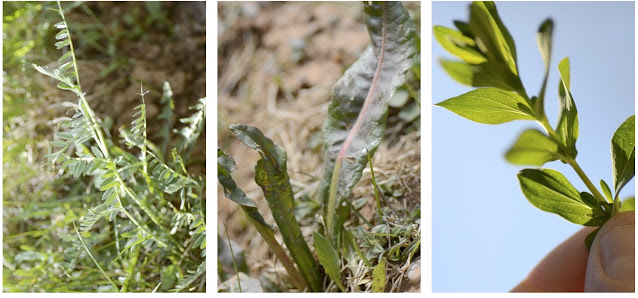
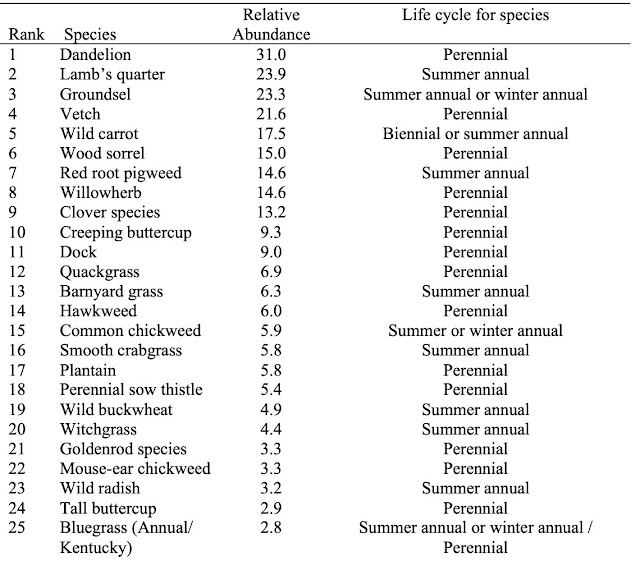
Next, let’s turn our attention to perennial weeds. Soon they’ll be shutting down but in the meantime before a hard frost they’re storing reserves in their roots for next year. Perennials commonly found in Nova Scotia orchards are dandelion, vetch, sorrels, willowherb, buttercups, dock, quackgrass, hawkweed, plantains, perennial sow thistle, goldenrod, mouse-eared chickweed, thistle, horsetail, catchweed bedstraw, yellow toadflax, St. John’s wort, ground ivy, and scentless chamomile (Figure 4). The 2020 survey by the NSDA suggests that established orchards are challenged with control of perennial weed species because perennials rank high in terms of abundance (Table 1).

Figure 4: Perennials typical in Nova Scotia orchards from left to right: vetch, dock, and St. John's wort.


Table 1: A weed survey done by the Nova Scotia Department of Agriculture in 2020 at 37 orchard blocks in Nova Scotia. Species are ranked by relative abundance determined by the survey. Table modified to show the life cycle for the top 25 listed species.


To kill the life-giving roots of perennial weeds, an herbicide applied to the foliage needs to be transported to the roots. In the early spring during rapid leaf growth, the resources are directed away from the roots so an herbicide like 2,4-D that behaves like a food metabolite is not translocated to the roots. Whereas in the late spring and early fall, resources are being stored in the roots and 2,4-D could tag along. Perennial weeds on the label for 2,4-D could be treated post-harvest (because of the 80-day PHI). Just keep in mind that perennial weeds should be treated while they are green and growing, prior to a hard frost.

Also, take note of perennials before tillage practices especially if they have rhizomes or spread vegetatively. Prepare the site with glyphosate and 2,4-D prior to tillage to limit the spread of creeping perennials like sorrels, sow thistle, mouse-eared chickweed, ground ivy, quackgrass and Canada thistle.

However, if you’re planning to use glyphosate for perennial weed control in established orchard, wait until a late spring application timing. Fruit trees are currently storing reserves in the roots for next year’s growth so glyphosate can be damaging if taken up and transported to the tree’s root system.


Takeaways

  • Winter annuals like common groundsel, common chickweed, and bluegrass can grow past their treatable stage quickly in spring.
  • Summer and winter annual species have populations that germinate in both fall and spring and therefore troublesome weeds may need to be managed at both times.
  • Bluegrass species should be identified by molecular analysis to inform herbicide choice.
  • Products to manage bluegrass species in young orchards are limited so pre-emerge options should be considered and may need to be applied prior to fall grass germination.
  • After harvest, consider using a post-emerge herbicide to clean up weeds along with a residual product to save time early next season. Orchards without fall application of residual herbicides are expected to exceed weed thresholds in early spring before those treated with residuals.
  • Fall pre-emerge herbicides should be applied to bare ground for uniform control.
  • The majority of weed species by abundance in established orchards are perennials including dandelion, vetch, and wood sorrel. Site preparation is an important first step to limit creeping perennials.
  • After harvest there is an opportunity to treat perennials when they are storing reserves in their root systems before a hard freeze.
  • If planning to apply glyphosate, wait until late spring to avoid translocation to fruit tree root systems.

Even if you are not set up to perform weed control in the fall, now is a good opportunity to identify what weed species are present to inform herbicide choices for early next year.


References:

  • Congdon, Caitlin. “Out Standing in the Field: Weed Management in Winter Wheat with Mike Cowbrough.” Perennia, September 8, 2021, https://anchor.fm/out-standing-in-the-field/episodes/Out-Standing-in-the-Field-A-Podcast-by-Perennia-e15pd6j.
  • Klingman, Glenn C. 1961. Weed Control: As a Science. John Wiley & Sons, Inc. pp. 1-421.
  • Breth, D., Tee, E., Donahue, D., and Wallis, A. 2016. Managing Apple Orchard Weeds in the Fall. New York Fruit Quarterly. 24 (4), 9-16. https://nyshs.org/wp-content/uploads/2017/03/Breth-Pages-9-16-from-NYFQ-Book-Winter-2016-4.pdf
  • Nova Scotia Department of Agriculture (NSDA) survey of 37 orchard blocks in 2020
  • Bouchard, C.J., and Neron, R. 2003. Identification guide to the weeds of Quebec. Conseil des productions vegetales du Quebec Inc. pp. 1-251.
  • Palfrey, G.D. 1986. Weeds of Nova Scotia. Department of Agriculture and Marketing. Province of Nova Scotia. ISBN 0-88871-063-1. pp.1-95.
  • LeBlanc, L. and McCully, K. Weed Identification Guide. Agriculture Canada, Nova Scotia Department of Agriculture and Marketing, New Brunswick Agriculture. pp.1-51.
  • Cowbrough, M., Tardif, F., and Letarte, J. 2016. Weed ID Guide for Ontario Crops. Grain Farmers of Ontario. pp 1-270. http://fieldcropnews.com/2016/09/weed-id-guide-for-ontario-crops/
  • Private communications with Sonny Murray, and Kristen Obeid for bluegrass management. This post is not a reflection of their views.

Sharing the NSFGA Orchard Tour Video Series: Day 1

Monday, August 9, 2021

Once again the NSFGA Annual Summer Tour is virtual! A dedicated group of growers are your guest speakers and Michelle Cortens is your host, and together they explore a wide range of technical topics to share with you.

Over the week of August 9th, a total of four videos will be released each day including information on a finger weeder, 2D canopies, concrete trellis system, weather stations, root pruning, replant disease, hedging, irrigation, sizing Gala, captan restrictions, crop load management, M7 rootstock, and plant in place.

Kicking off the tour today is the first stop with Tim and Andy at Stirling's Mountainside Farms. This stop focuses on the finger weeder, 2D canopies, concrete trellis system, and weather stations.


After the videos have been released, you can watch them at any time on the 2021 Summer Tour YouTube Playlist.

Orchard Outlook Newsletter Vol 21, No 4

Tuesday, May 4, 2021


Table of Contents:


Weather
  • 2021 Degree Day Accumulations
  • More Weather Stations in the Valley


  • Apple - Scab
  • Apple - Powdery Mildew
  • Apple - Fire Blight Prevention
  • Stone Fruit - Brown Rot Blossom Blight
  • European Red Mite
  • Pre-Bloom Insecticides

Weed Management

  • Pruning
  • Fertilizing
  • Liming
  • Planting Trees
  • Nursery Trees
  • Mowing

Pest Management Guides 2021

Events and Notices

  • NSFGA Research Survey
  • Canada GAP Version 9.0 Updates


Weather


2021 Degree Day Accumulations

The above-average trend continues. Temperatures have cycled in March and April to sometime give the illusion that it hasn't been very warm. But Jeff Franklin describes that the averages tell the story. The average temperature for March 2021 is 1.35°C compared to the 20 year average of -0.62°C. The average temperature of April 2021 is 7.16°C compared to the 20 year average of 5.59°C.

Please note that due to an IT problem, the degree day accumulations this week are updated to only May 1st, but the issue should be resolved by next week.
Figure 1: Heating degree day accumulations for plant (above 5°C) and insect (above 10°C) development from March 1st to May 1st for the past 17 seasons. Provided by Jeff Franklin (AAFC).
  • Approximately 61% more plant development heat units compared to the 5-year average, and 55% more compared to the 10-year average.
  • Approximately 147% more plant development heat units compared to 2020, and 47% more compared with 2019.
  • Approximately 80% more insect development heat units compared to the 5-year average, and 64% more compared to the 10-year average.


More Weather Stations in the Valley


On track to finish installation this week!

The Nova Scotia Fruit Growers’ Association through federal and provincial funding with the Nova Scotia Department of Agriculture has embarked on a smart farm demonstration project to install and maintain weather stations. 

At the time of this newsletter, eight of the ten weather stations are operational. The Grand Pre location was installed this morning and the Windsor location is being installed this afternoon. Other operational stations include: Atlanta, Aylesford, Grafton, Melvern Square, Mochelle, Morristown, and Woodville. Jon Bent is planning to install the final station in North Medford on Wednesday morning.

This is a reminder that any weather stations on the Davis WeatherLink platform that do not have "NSFGA" in the name are not being maintained under this project. 

Resources

Historical weather data is a feature of a paid account so NSFGA members and their advisors have access. On April 22nd, Candy sent the login information to members. If you’re not a member, you can access the live/current weather data by creating your own free account on Davis WeatherLink. Search for weather stations and add them to your account.

Bud Development

An early region on Middle Dyke Road in the Kentville area is monitored to guide this newsletter. Over the last week the leaves have started to unfurl into the tight cluster stage. On May 3rd, the Idared buds were at the stage of tight cluster, Honeycrisp was at early tight cluster, and Ambrosia was at half-inch green. Stone fruit are in bloom or approaching bloom. With the extra degree day accumulations this year, bud development is progressing quite early.

Figure 2: Bud development in an early region on Middle Dyke Road in Kentville on May 3rd. Shown from left to right: Idared, Honeycrisp, Ambrosia.

Orchard Outlook committee members reported that Honeycrisp in later regions are generally around late half-inch green to early tight cluster. Pear stages are also variable but on average are between bud burst and green cluster stages.

Diseases


Apple – Scab


Table 1: Apple scab infection events at the Kentville Research Station from April 28th to May 4th, based on the Modified Mills Table. 

1 For a high inoculum orchard, a significant number of spores can be released during darkness, so begin calculating leaf wetting regardless of the time of day when the wetting event started. An orchard is considered to have a high inoculum load if last season it had 100 or more scabby leaves observed over 600 shoots.
2 Assuming a green tip date of Tuesday, April 14th. Please use this as a guide because microclimates will cause conditions to vary on individual farms.
3 All forecasts are estimates. Observe forecasts daily for more accurate predictions.
Note: The environmental conditions for an infection are listed in the Modified Mills Table.

Forecast and Perspective

A period of rainfall is currently forecast for Wednesday, May 5th. With the forecast temperatures at an average of +11.5°C, it would take around 12 hours of leaf wetness for an apple scab infection event to occur, according to the Modified Mills TableNote that ascospores are now maturing more rapidly and that 12% of the total spore load has matured since the last infection event. 

The heat is also speeding up ascospore maturity. For perspective, at this time last year only 5% of ascospores had matured.

Recommendations:

  • Apply a protectant fungicide to green tissue prior to an infection event and reapply on a 7-day interval, with a shorter interval after wet weather (cumulative 1-2” rain) or rapid tissue growth.
  • Vigilant protection of primary scab will prevent the challenges that come with chasing secondary scab. Secondary scab will be increasingly challenging with upcoming product discontinuations.
  • Always tank mix single site fungicides with a group M for resistance management.
  • Note that Polyram is being phased-out due to the cancellation of the active ingredient. The last date of use is June 21, 2021.

Special notes on products containing Captan and water soluble packaging:

  • The product formulations Maestro 80 DF and Supra Captan 80 WDG are being phased-out. The last date of use is May 10, 2021 and it is fast approaching. The PMRA identified issues with the dry flowables in terms of applicator exposure when mixing and loading. Studies show that water soluble packaging (WSP) reduces handler exposure so it’s an acceptable risk mitigation measure. There are new registrations for the formulations Supra Captan 80 WSP and Maestro 80 WSP.
  • Water soluble packaging has been used in the past but now we are looking at more frequent use. Consider these best practices:
    • Make sure packets fully dissolve and disperse before adding other products. Packets dissolve faster in warm water than cold water, like dishwasher pods. 
    • Check the filter after the first use and every couple of uses.
    • Be careful mixing. Do not use WSP in a tank mix with boron and rinse the tank well before and after boron.
  • If you plan to use oil for European Red Mite control, Captan should be avoided within 7-14 days of an oil application.
  • Note that the new captan containing product Maestro 80 WSP has re-entry periods that differ depending on the orchard density and activity (anywhere from 2-24 days).

Apple – Powdery Mildew

Typically, conidia are released around the tight cluster stage. Powdery mildew infections can be expected when conditions are warm (10-25°C), humid and dry.

Fungicide resistance management for scab vs powdery mildew:

Scab: The Group M fungicides (mancozeb and captan) provide scab control so tank mixing them with single-site fungicides is a great strategy to slow resistance development in the apple scab population. Most populations of apple scab are resistant to Group 3 fungicides Nova and Fullback so the products are not expected to provide control. A full rate of a protectant fungicide is necessary for scab control.

Powdery mildew: Group Ms do not have activity on powdery mildew so they will not help prevent powdery mildew resistance development. Products in the groups 3, 7 and 11 are registered for control of PM. Resistance to group 11 products was reported in a survey in 2013. Therefore, whenever the remaining groups 3 & 7 are used, careful consideration must be given to rotating the groups to slow resistance development. Avoid more than two consecutive applications of a single group.

Recommendations:

  • Do not apply a product for powdery mildew before a heavy rain is expected. The product will wash off, plus powdery mildew spores will not germinate on a wet leaf surface anyway. As opposed to scab, powdery mildew protection should go on prior to a period of warm and dry weather when infections are expected.
  • Application of a protectant mildew fungicide at tight cluster prevents infections of leaf clusters. Timely application early in the season will reduce the risk of secondary infections. 
  • Remember to treat young plantings because severe infections can reduce shoot growth, which is most concerning for young, non-bearing orchards.
  • Pay particular attention to susceptible and high-value varieties such as Honeycrisp and Gala.

Apple – Fire Blight Prevention


Recommendations:

  • For on-farm nurseries, consider applying a copper product at the lowest labeled rate prior to training trees and follow the labeled REI. Make cuts on only dry and sunny days. 
  • Be cautious when applying post-emergent herbicides to prevent injury to young trees. 

Stone Fruit – Brown Rot Blossom Blight

Brown rot infection of the flowers during bloom provides secondary inoculum for fruit infections later on.

Recommendations:

  • Fungicide protection from brown rot should begin just prior to bloom and be maintained during periods of warm, wet weather. 
  • Rotating classes of brown rot fungicides is key to slow resistance development. There are many options in the management guide.

Insects

European Red Mite

To be most effective, oil application for ERM should be targeted close to egg hatch – around tight cluster and before pink. Conditions have been good for getting oil on so applications should be made soon if not already done. Avoid oil if freezing temperatures will occur within 48 hrs.

Pre-Bloom Insecticides

It is still too early for pre-bloom insecticides but with the lead in degree day accumulations this year the time is approaching. Depending on the heat in the forecast, your region, and monitoring reports, action may be needed in a week or two as we approach the pink stage.

Recommendations:

  • Be on standby and monitor for the spring caterpillar complex, European apple sawfly, tarnished plant bug, and aphids. 
  • Treatments for spring caterpillars should not be applied too early because product must enter the developing flower clusters where the larvae like to feed to be effective. Treatments should be applied pre-bloom so target the full pink stage. Note that there is a lower tolerance for WM than GPM. Green Pug Moth do not feed directly on developing fruitlets.
  • If treatments for OBLR are required at pink, the treatments should also have some activity on WM and GPM. 
  • If a pyrethroid is applied for tarnished plant bug at pink, it will also have activity on WM and GPM. Similarly, pyrethroids are expected to have some activity on EAS if being applied for other pests.
  • As a reminder, pyrethroids are best used at moderate temperatures (20°C or less) and are harsh on beneficial insects and predator mites. They should only be used where potential losses justify their application.
  • In orchards with a history of damage and high numbers of European apple sawfly catches, an application of Altacor, Assail, Calypso, or Exirel at full pink is recommended to control the adults prior to egg laying.
  • If history of tarnished plant bug damage indicates that pressure is moderate to high, an application of insecticide at full pink can be beneficial.

Weed Management

Studies have shown maintaining weed free strips from bud break to 30-days after full bloom has the greatest impact on tree growth and yield. Timely herbicide application will ensure you make the most of the weed free window.

Recommendations:

Residual Herbicides

  • Spring is an ideal time for using residual weed control products and they offer a much longer weed control period than post-emergent products such as Ignite and Glyphosate.
  • Note the differences in the application directions for the residual herbicides Chateau and Alion. 
    • Chateau can be applied to young trees (note specific label directions). Chateau should not be applied after budbreak unless application equipment is shielded to prevent crop injury. 
    • On the other hand, Alion can be applied only to mature orchards with trees established for 3 growing seasons. Alion can be applied anytime throughout the growing season (note specific label directions).
  • When mixing residual herbicides, agitation is important to keep the product in solution. If the herbicide settles in the tank then it can be delivered in a high concentration and possibly result in crop injury.
  • Note that residual herbicides can damage single tree replacements. 
  • If weeds are already present, consider adding a post-emerge to a residual herbicide to achieve control.

Post-emerge Herbicides

  • Some of the perennials are at a susceptible stage now and this is a good management opportunity if you didn't get to them last fall.
  • Take time to allow concentrated products like Roundup to mix into the solution before adding other products.
  • Be careful with tank mixing herbicides. At the Orchard Outlook committee, there was a report that the mixture of Roundup Transorb and 2,4-D Amine herbicide can form a white precipitate. New formulations may behave unexpectedly. If in doubt, consider performing a jar test to test compatibility. The jar test is described in a post by Sprayers 101.

Horticulture

Pruning

  • If pruning is delayed, plan a strategy to get the most value for your time. Prioritize young blocks and high value varieties and return to low value areas. This strategy is especially important considering the new captan limitations.
  • Ensure that youngest blocks are pruned first so growth is directed into desirable leader and terminal extension. Prune early to encourage vigour or delay pruning to remove vigour.

Fertilizing

  • Bud break to bloom is the ideal time for granular fertilizer application to maximize tree growth.

Liming

  • Be cautious applying lime to orchard blocks now that green tissue is progressed. The force of the lime from the spreader can damage the leaf tissue and buds. The next best opportunity to apply lime again is in the autumn.

Planting Trees

  • Newly planted trees should be pruned for tree structure and supported as early as possible after planting. Prioritize trees that are known to be brittle at the union, including many of the new Geneva rootstocks (G.11, G.41, G.16 etc).
  • Remember to document the quality of your nursery trees with pictures and notes. Did trees dry out? Any signs of disease (cankers, crown gall)? How do the roots look (rinse and take a photo)? Notify the appropriate people of issues you notice. Record the date of planting. An issue that shows up after planting is much easier to diagnose or prevent given this information.
  • If fumigating in the spring, observe the warnings on the label prior to planting to avoid crop injury. Leave the soil undisturbed for 10 to 14 days or longer in wet weather. To verify plant safety, follow the safety germination test described on the label for PicPlus.

Nursery Trees

  • Check on nursery trees because buds have grown quickly from full dormant to quarter inch green very quickly. Rootstock tops should be cut so the rootstock does not overpower the bud.
  • Remember the importance of weed control in nurseries. Management practices now will impact the outcome of the final tree. Encourage the growing point to be successful!
  • If growing your own trees, criticize their quality and don't plan to plant 100% of the trees. Planting small (<4 ft), weak trees will delay production. Trees are typically small for a reason and will continue to be weak trees. Commercial nurseries grade their trees and build in the cost of discarded trees so the same approach is recommended for on-farm nurseries. Tree losses of at least 10% are common.

Mowing

  • Keeping the orchard floor cover mowed pre-bloom will minimize dandelion flowers that attract bees, which increases the safety of pre-bloom insecticide applications. An early start will help keep the orchard floor under control.

Pest Management Guides 2021

The pest management guides are available online for download. All changes new to 2021 are made in red text.

Events and Notices

For upcoming events, visit the ‘Events’ tab on the NS Tree Fruit Blog. Specific events will be described here when available.

NSFGA Research Survey

Before time and energy is put into considering research proposals or applying to funding programs, direct input from members is needed to establish research priorities and propose research interests.

The NSFGA Research Committee is asking for your input on this survey to explain what you need or would like to see in terms of research so that we engage in research that is of benefit to growers, packers, and processors. It is important that we get your opinion on what information would benefit you and/or the apple industry. The survey is expected to take less than 5 minutes to complete. Please complete by Tuesday, May 18th. 

CanadaGAP Version 9.0 Updates

My colleagues over at the food safety team noted in their most recent newsletter:
CanadaGAP has released Version 9.0 of the Fresh Fruit and Vegetables Manual and the Greenhouse Product Manual. These new manuals will take effect on April 1, 2021. To download the new manuals, please visit the CanadaGAP website. The audit checklist for version 9.0 is also now available on CanadaGAP’s website. The Frequently Asked Questions (FAQs) have also been updated to reflect version 9.0 of the CanadaGAP manuals and other important changes made to the program this year.


This Orchard Outlook has been published with the input of the Orchard Outlook Committee
Edited by Michelle Cortens, Tree Fruit Specialist
Perennia Food and Agriculture Inc.

Blog Archive